


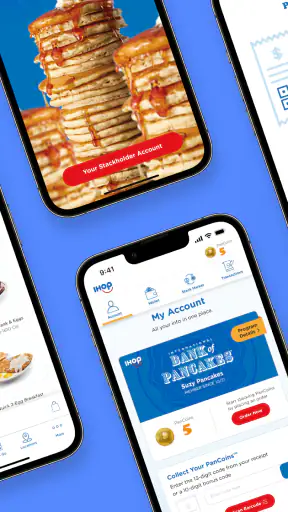
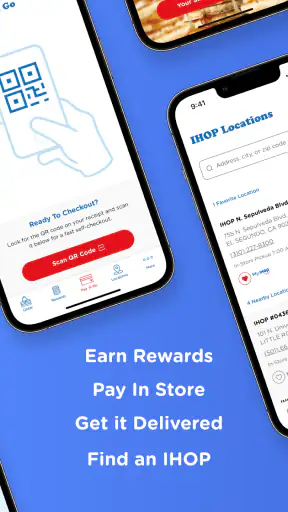
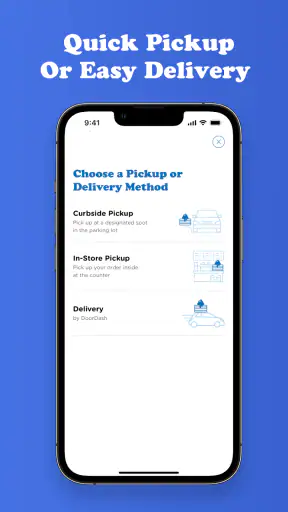
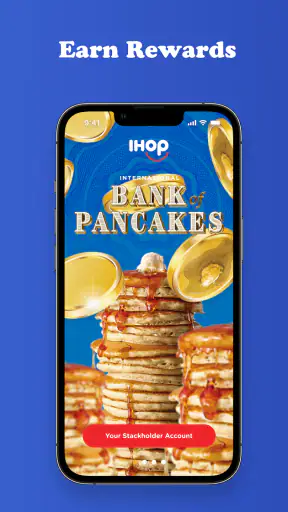
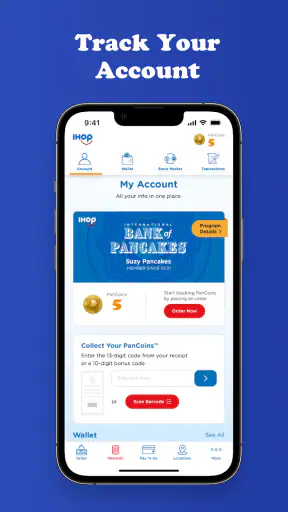
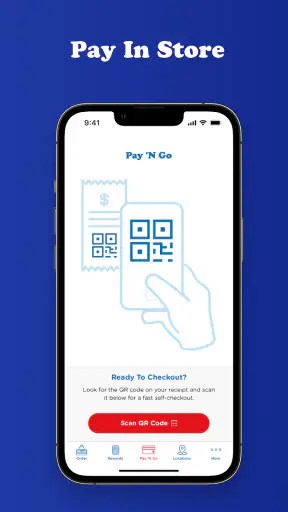
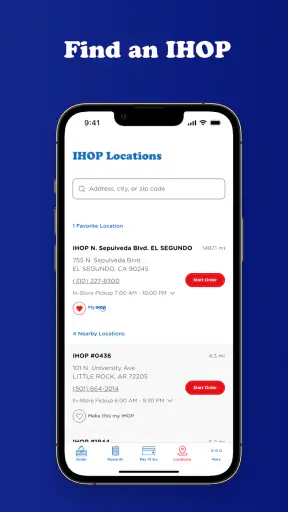
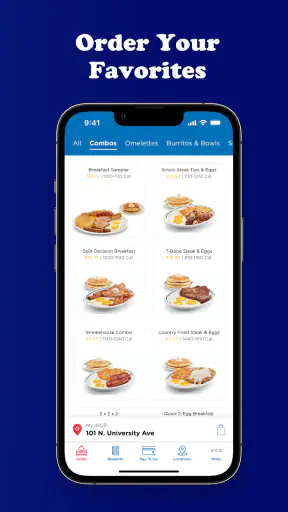
I tried IHOP® as the kind of app you open when breakfast plans are still undecided and the table is already getting hungry. It belongs squarely in the Food & Drink category, and its purpose is easy to understand: bring the IHOP experience onto a phone so you can explore the restaurant’s options and move from browsing to a meal with less back-and-forth. The store summary, “Everything you want right here,” is broad, but in practice the value depends on how well the app fits the moment you need it.
My overall impression is that it works best as a connected companion for planning an IHOP visit, not as a general restaurant-discovery tool. If I already know I want IHOP, having the app available is more convenient than starting from a browser search every time. If I am comparing several nearby restaurants, looking for a broad delivery marketplace, or trying to plan without a reliable connection, its usefulness becomes much narrower.
How the app feels when the connection matters
The central thing to understand is that this is a network-oriented experience. Browsing restaurant information, checking what is available for an order, and moving through the app’s current content all make the most sense while the phone can communicate with the service. That is not a criticism by itself; restaurant apps naturally depend on current information. Menus, ordering availability, location details, and checkout choices are the sort of things that should be retrieved rather than treated as permanently stored information.
That connection-dependent design creates two very different experiences. On a strong home or mobile connection, the app feels like a practical shortcut: I can make a decision before leaving, rather than arriving hungry and discussing every option from scratch. In a weak-signal area, the same flow can feel less dependable because the useful parts of the app are tied to loading fresh information. I would not make it my only plan for a long drive, a crowded event, or a restaurant visit where reception is uncertain.
This also changes how I use it at the table. If I am already inside the restaurant, I prefer to open the relevant information before putting my phone away. That small habit matters because a brief connection drop at the wrong moment can interrupt the transition from browsing to ordering. The app is more comfortable when I treat it as a preparation tool rather than something I expect to rescue me instantly in every environment.
One useful workflow is to decide the broad shape of the meal before opening the app. For example, I might first agree with friends that we want breakfast food, then use the app to narrow down the choice. That reduces the amount of time spent loading and comparing while everyone waits. It also avoids turning a simple meal into a group exercise in passing one phone around.
Planning before leaving home
At home, the app has its clearest advantage. I can take a calmer look at the available choices, think about whether I want a sweet breakfast or something more filling, and make a plan before getting into the car. This is especially helpful for families, because a little preparation can prevent the familiar situation where one person is still deciding while everyone else is ready to order.
I also found that home Wi-Fi is the best environment for checking the complete flow. A stable connection gives the app time to load the information it needs and makes it easier to notice whether the selected restaurant and order details match my intention. I would rather catch a location or availability issue in the kitchen than discover it after arriving.
The app is free, which removes the most obvious barrier to trying it. That does not automatically make every use case worthwhile, though. If I visit IHOP only once and already know exactly what I want, a quick browser search may be faster than installing another app. The stronger case for keeping it is repeated use: regular visits, occasional ordering, or a household where several people benefit from having the same restaurant information ready.
Using it in real mobile situations
The most realistic mobile scenario for me is a weekend morning. I am away from home, the group is deciding where to eat, and nobody wants to wait until reaching the restaurant to work out the details. I can use the app while connected to mobile data, check the current choices, and arrive with a more definite plan. The phone becomes useful before the meal rather than merely acting as a digital menu after everyone is seated.
Another good situation is a last-minute change of plans. Perhaps the original breakfast idea falls through and IHOP becomes the convenient alternative. In that case, the app can help me shift from “maybe we should go there” to a concrete decision without opening several unrelated services. The benefit is not dramatic, but it is exactly the kind of small reduction in friction that makes a restaurant app worth having.
There are limits to using it while moving, of course. I would not browse it while driving, and I would avoid making a complicated decision while walking through a busy place. The best mobile habit is to stop somewhere safe, use the app for the decision, and then put the phone away. That sounds obvious, but restaurant apps are most useful when they simplify a choice rather than create another distraction.
For people who carefully manage mobile data, I would use Wi-Fi for leisurely browsing and reserve cellular data for short checks. The app is not something I would keep refreshing repeatedly just to watch for changes. Open it when I have a clear task: review the available options, confirm the restaurant context, or continue an order. That approach is both less wasteful and less frustrating than repeatedly reopening screens without a decision in mind.
What happens when a connection fails
Connectivity problems are where expectations need to be realistic. If a screen takes longer to load or an action does not complete, my first response would be to check whether the phone has a usable connection before assuming the app itself is broken. Moving from Wi-Fi to mobile data, or the other way around, can clarify whether the problem is local to the network I am using.
I would also avoid tapping a final action repeatedly when the result is unclear. With any connected ordering flow, repeated taps can make it difficult to know whether the first request went through. My practical routine is to pause, look for a visible confirmation, and then check the current state before trying again. That is a small but important safeguard when the app is being used in a hurry.
If the app becomes unresponsive, closing and reopening it is a reasonable recovery step, followed by checking the connection again. I would not rely on an interrupted session to preserve every choice. Instead, I would note the restaurant and the main items I intended to select, then rebuild the short sequence if necessary. This is less convenient than a perfectly continuous session, but it prevents me from wasting time trying to recover a screen that may no longer represent the current state.
The same caution applies when switching locations. A restaurant app is more useful when the selected context is correct, so I would review the location details before treating the rest of the flow as final. That extra glance is worthwhile if I am near more than one restaurant or ordering on behalf of someone who is already at a different place.
These are not reasons to avoid the app; they are reasons to use it with the right expectations. It is a connected service, and connected services are strongest when the phone has a stable link and the user gives each step enough time to finish. Someone who expects every screen to remain fully usable in a basement, on an airplane, or in a dead-signal area will probably be disappointed.
Making the experience easier on a small screen
Restaurant browsing looks simple until several people are trying to decide at once. On a phone, I find it easier to make one person the “navigator” and ask everyone else for preferences in plain language. Instead of passing the phone around after every item, I can narrow the choices and then show the final selection to the group. This makes the app feel less cluttered and reduces accidental taps.
For a family order, I would build the decision in stages: first identify the main meal direction, then handle individual choices, and only afterward review the complete order. Mixing those steps together can make a small screen feel more confusing, particularly when people change their minds. The app is more useful when it supports a deliberate sequence rather than when I treat it like a conversation replacement.
I also prefer to check important details while I am stationary and connected. A phone held in one hand outside a restaurant is not the best place to compare choices, confirm a selection, and troubleshoot a delayed screen. Preparing earlier gives me a chance to notice mistakes before they become inconvenient.
One less obvious trade-off is that convenience can encourage overplanning. I can spend too long examining every possibility when the real goal is simply to eat breakfast. My own rule is to use the app to answer a specific question, such as what I want or where I intend to order, and then stop browsing. That keeps the digital part proportional to the meal itself.
How it compares with browser searches and delivery marketplaces
Compared with a normal browser search, the app is more focused. A browser is better when I am still deciding between different restaurant brands, looking for general reviews, or trying to compare several kinds of food. The IHOP app makes more sense after the brand decision has already been made. It keeps the experience centered on one restaurant instead of sending me through unrelated results.
A delivery marketplace has a different strength. It may be more convenient for comparing restaurants in one place, checking a wider range of delivery choices, or using a service I already rely on for several meals. The trade-off is that a marketplace can add another layer between me and the restaurant experience. For a direct IHOP-focused visit or order, the dedicated app feels more relevant; for broad comparison, the marketplace is usually the better starting point.
Maps are also useful alternatives, especially when my main question is simply where the nearest location is. I would use a map when navigation is the priority. I would use this app when I want restaurant-specific information and a more direct path from deciding to eating. Neither replaces the other completely, and trying to make one tool handle every part of the outing is unnecessary.
This distinction helps explain who should skip the app. If I rarely eat at IHOP, dislike installing single-brand apps, or mainly choose restaurants by comparing many nearby options, the browser or maps may be enough. If IHOP is a recurring choice and I value preparing an order or meal decision before arriving, the dedicated app earns its place more easily.
What the app’s scale and maintenance suggest
The app has passed the one-million-install mark and holds a 4.6 average from roughly forty-six thousand ratings, with about fifteen thousand written reviews. Those figures suggest that it is not an experimental side project with only a handful of users. They also make the current version worth noting: version 4.8.43 is the one I would expect a current user to encounter, and the release date places the app in the established rather than brand-new category.
Dine Brands Global, Inc. is the developer behind it. That matters because the app’s identity is closely tied to the IHOP restaurant experience rather than being a generic meal-planning utility. The focus is a strength when I already want this particular brand, but it naturally limits the app’s value outside that context.
It is free to install and carries an Everyone age rating, so the basic decision to try it is uncomplicated. I would still judge it by usefulness rather than by the absence of an upfront cost. A free app that I never open is not better for me than a browser shortcut; a free app that saves time during recurring visits can be genuinely worthwhile.
The minimum operating-system requirement is version 10, which is important for anyone using an older phone. Before planning around the app, I would check that the device meets that requirement and that it has enough room for normal app updates. This is a practical detail that can matter more than the restaurant features themselves when a family shares older devices.
My practical routine for using it
My preferred routine starts with a stable connection and a clear purpose. I open the app before leaving, identify the restaurant situation I am dealing with, and review the choices without rushing. If I am ordering for other people, I collect their preferences first rather than asking them to make decisions while I am already at the final stage.
Next, I review the selected details once, especially if I have changed location, switched between Wi-Fi and mobile data, or spent a long time browsing. I do not assume that a delayed screen means nothing happened, and I avoid submitting the same action repeatedly. These habits are simple, but they make a connected restaurant app much less stressful.
For data-conscious use, I keep browsing sessions short and avoid refreshing without a reason. Wi-Fi is my choice for exploring, while mobile data is fine for a quick check when I am already out. If the connection is unreliable, I make the decision when I can and avoid depending on the app during the most time-sensitive part of the visit.
Finally, I treat the app as one part of the meal plan rather than the entire plan. It can help me decide and prepare, but it does not remove the need to pay attention to the restaurant, the people I am with, and whether the connection is behaving normally. That mindset gives me the convenience without expecting more certainty than a network-based service can provide.
Who will appreciate it most
I would recommend IHOP® to regular IHOP customers, families who like to decide before arriving, and anyone who wants a direct restaurant-focused tool instead of a broad food marketplace. It is particularly useful when the phone has a reliable connection and the user has a specific task in mind.
I would be more cautious about recommending it to someone who wants offline access, although I would not plan on that kind of use, or to someone whose restaurant choices change constantly. The app’s value is tied to current connected use and to a clear preference for IHOP. If either of those conditions is missing, a browser, map, or multi-restaurant service may be a better fit.
After using it, I see the app as a practical convenience rather than an essential everyday tool. Its best moments happen before the meal: deciding, checking, and reducing uncertainty while the connection is dependable. Its weakest moments appear when I expect it to work smoothly through poor reception or when I use it for a comparison task it was never meant to lead.
My final verdict is positive with that boundary in mind. For the right user, the free IHOP app makes a familiar restaurant visit easier to organize and gives the phone a useful role in the planning process. Just use it while connected, verify important choices before moving on, and keep a browser or map in mind when your needs extend beyond IHOP itself.


